

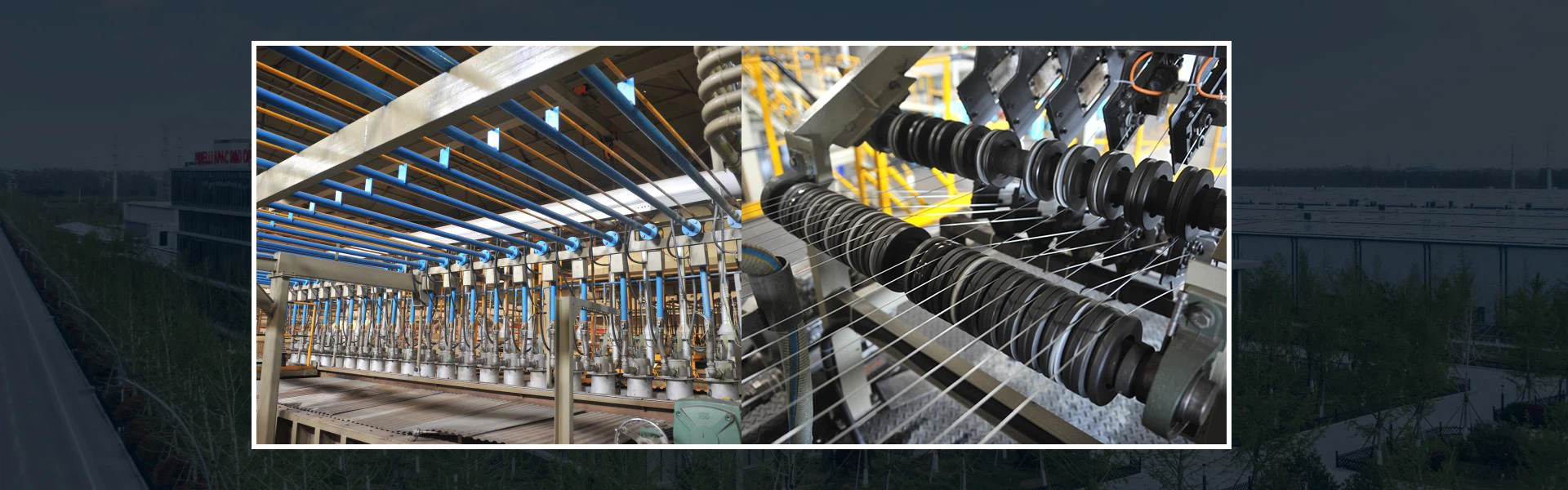
Wire ropes are widely used in the lifting industry, such as cranes, hoists, and elevators. The wire rope is an essential component of the lifting machine, which plays a vital role in the safety and efficiency of the operation. Therefore, it is crucial to understand the special features of wire ropes and the factors that affect their performance.
Firstly, wire ropes are made of multiple strands of wire, which are twisted together in a helical pattern. The outer layer of the wire rope is called the "wire strand," and the inner layer is called the "core." The wire strand provides the tensile strength and flexibility of the wire rope, while the core provides support and stability. The wire strand is usually made of high carbon steel, which has high strength and wear resistance. The core can be made of fiber, such as hemp or sisal, or steel wire.

Secondly, wire ropes have excellent fatigue resistance, which means they can withstand repeated cycles of loading and unloading without breaking. This is because the wire rope strands are designed to distribute the stress evenly throughout the rope. The wires on the outer layer will carry most of the load, while the wires on the inner layer will carry less load. This ensures that each wire is subjected to the same amount of stress, which reduces the risk of wear and tear.
Thirdly, wire ropes have a high breaking strength, which is the maximum load that the rope can withstand before breaking. The breaking strength depends on several factors, such as the diameter of the wire rope, the number of wire strands, and the type of core. Generally, the larger the diameter of the wire rope, the higher the breaking strength. For example, a wire rope with a diameter of 16mm can have a breaking strength of up to 140 tons.
Finally, wire ropes are resistant to corrosion and abrasion, which means they can withstand harsh environments and exposure to chemicals or saltwater. This is because the wire rope is coated with a thin layer of lubricant and protective coating, which prevents rust and corrosion. Regular maintenance such as cleaning and greasing can prolong the life of the wire rope.
In conclusion, wire ropes are essential components of lifting machines, which have unique features such as fatigue resistance, high breaking strength, and resistance to corrosion and abrasion. These features ensure the safety and efficiency of the operation, and it is essential to choose the right type and size of wire rope for each application. Proper maintenance and inspection can also extend the lifespan of the wire rope and ensure its optimal performance.


