

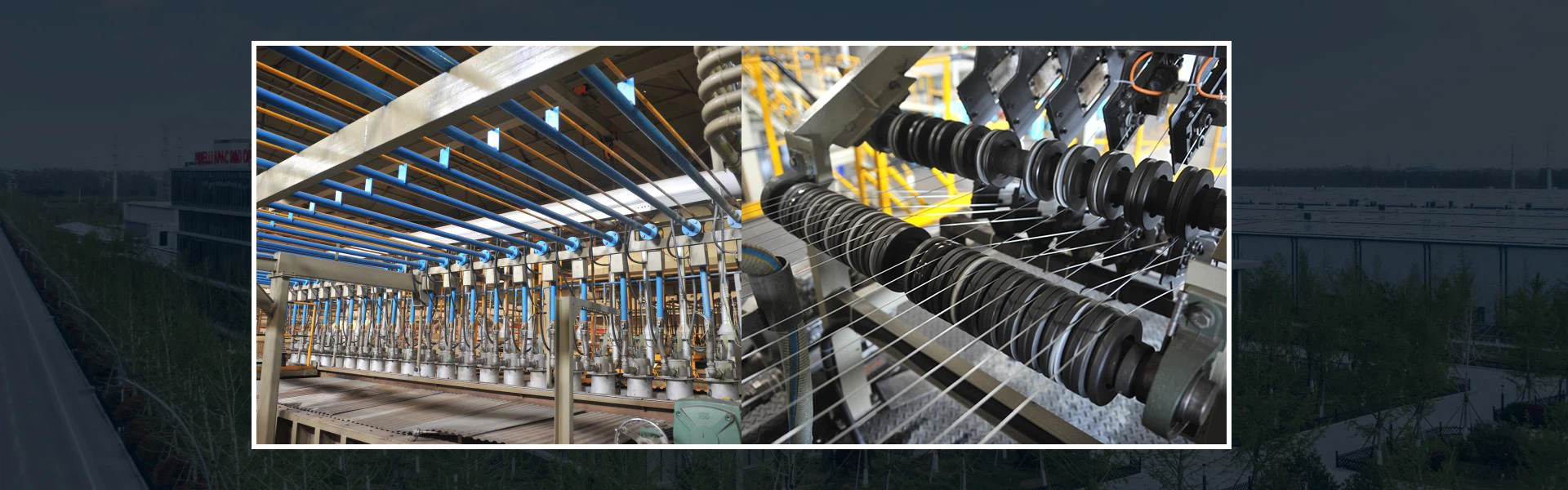
Wire rope is an essential component of many industries worldwide, serving as a highly dependable and durable material for lifting, hoisting, towing, and suspending heavy loads. The process of making wire rope involves several steps that require careful design and engineering to ensure quality and reliability.
The first step in wire rope production is selecting and cleaning the raw materials, which are typically high-grade steel wire. The wire strands are then drawn and stretched into the desired thickness and shape, creating the individual wires that will make up the rope. The wires are then loaded onto a strand machine, where they are twisted into groups of several wires called strands. The number of strands can vary depending on the desired strength and characteristics of the finished rope.
After the strands are complete, they are then wound together on a rope-laying machine, creating the final wire rope product. This process can involve hundreds or even thousands of individual wires, producing a strong and flexible rope that can withstand even the heaviest loads. The final rope is then inspected and tested to ensure it meets strict quality standards before being shipped to customers around the world.
One of the most important considerations in wire rope design is the type of rope construction used. Different types of constructions are available for wire rope, each with its own unique characteristics and advantages. For example, the most common type of wire rope is called a standard six-strand construction, which provides good balance between strength and flexibility. Other popular constructions include cable-laid and rotation-resistance ropes, which are designed for specific applications that require additional features like high strength or minimal twisting.
Wire rope also requires proper maintenance and care to ensure long-term performance. Regular inspections should be conducted to check for signs of wear or damage, such as wire breakage, irregularities in the rope strands, or corrosion. Proper lubrication is also important to prevent damage from friction or internal wear, which can reduce the effective life of the rope.
In addition to its industrial uses, wire rope is also commonly used in recreational activities like mountain climbing and zip-lining. These applications require specialized ropes designed for high strength and safety, which are rigorously tested and certified before use.
Overall, wire rope is an incredibly versatile and reliable material that plays a crucial role in many different industries around the world. By understanding the processes and considerations involved in wire rope production, users can make informed decisions about selecting, using, and maintaining this valuable resource for years to come.


