

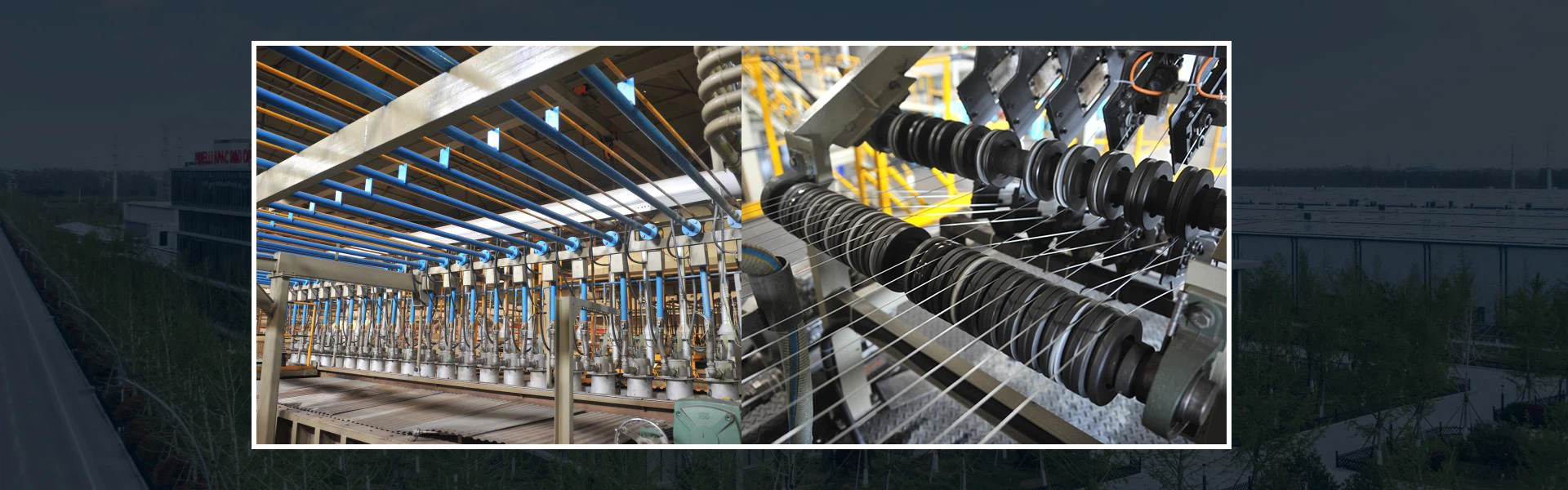
Steel wire ropes and steel cables are both used in various industries, but they have their own unique features that distinguish them from one another. Steel wire ropes are bundles of twisted steel wires, while steel cables are composed of interwoven steel wires that are braided together.
One of the distinctive differences between steel wire ropes and cables is their construction. Steel wire ropes are manufactured by combining several individual wire strands with one primary strand or core. These strands are interwoven in either a right or left-hand lay pattern to form a spiral. Steel cables, on the other hand, are made from multiple strands of steel wires that are braided together to produce a single, strong cable.
Another difference between steel wire ropes and cables is their durability. Steel wire ropes are often chosen for their high tensile strength, abrasion resistance, and their resistance to corrosion. Their flexibility and durability are also considered benefits. Steel cables, on the other hand, are often used in more demanding applications where the stresses and weight loads are much higher. Steel cables are designed to withstand a lot of pressure, and they are often coated with a protective finish that can withstand harsh weather conditions.
Steel wire ropes and cables also differ in their uses. Steel wire ropes are commonly found in lifts, elevators, cranes, and winches. They are also used in the construction of suspension bridges and for supporting high load capacities. Steel cables, on the other hand, are often used in marine, oil and gas exploration, and mining environments. They are also utilized in a wide range of transportation and industrial applications such as aircraft, trains, and automobiles.
In terms of maintenance, both steel wire ropes and cables need regular inspection and upkeep to maintain their effectiveness. Steel wire ropes require lubrication between the wire strands to prevent corrosion and breakage. Cables, on the other hand, require regular cleaning and re-greasing to prevent rust and preserve their tensile strength.
In conclusion, both steel wire ropes and steel cables are essential tools in the industrial and transportation industries. They have different characteristics and are made for specific applications. Steel wire ropes are more commonly used for lifting and supporting, while steel cables are used to support high weight loads. By understanding the differences between these two products, industries can make informed decisions on which to choose for their required applications.


