

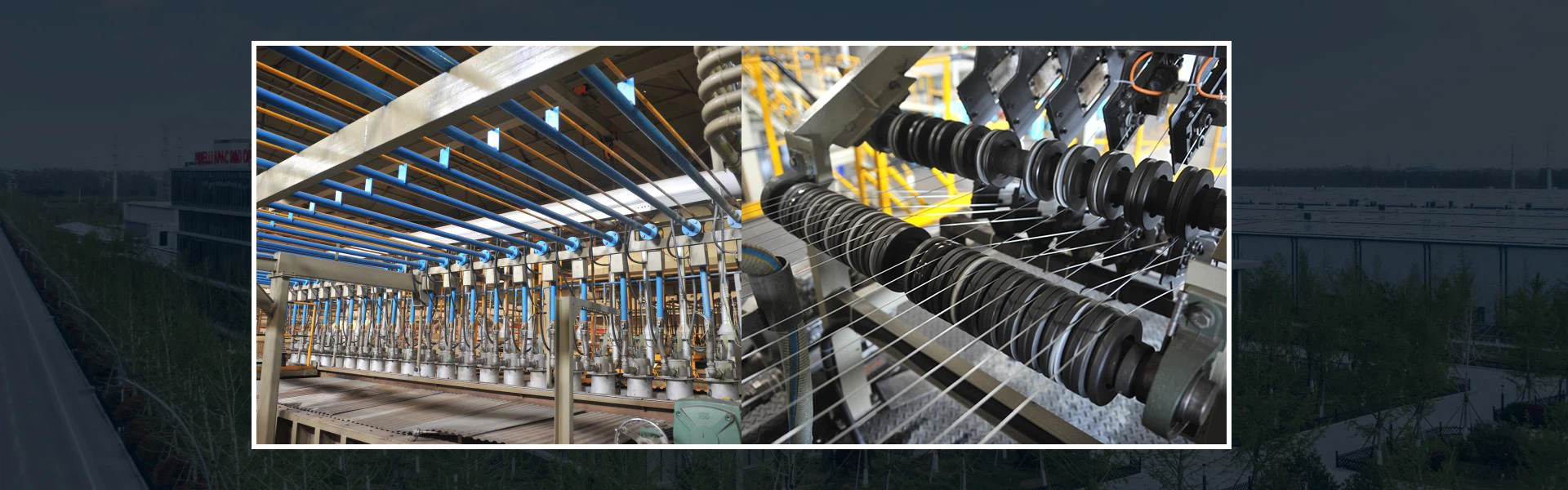
Wire ropes are commonly used in lifting and anchoring applications where strength, durability, and flexibility are critical. One of the primary uses of wire ropes is as a cable windlass, serving as a force multiplier to tighten and secure objects or structures. An essential factor in wire rope applications is its safety factor, which measures its ability to withstand loads that exceed its rated capacity without breaking or failing.
The safety factor of a wire rope is a ratio between its breaking strength and working load limit. The breaking strength is the maximum load at which the wire rope will break, whereas the working load limit is the maximum load that can be safely lifted or tensioned without damaging the rope. The safety factor is calculated by dividing the breaking strength by the working load limit. For example, if a wire rope has a breaking strength of 10,000 pounds and a working load limit of 2,000 pounds, then its safety factor would be 5 (10,000/2,000).
The safety factor of a wire rope is an essential consideration because it provides a buffer against unforeseen or unexpected loads that can occur in real-world applications. If a wire rope is subjected to loads that exceed its working load limit, there is a risk of breaking or failing catastrophically, which can result in injuries, fatalities, or damage to property. A safety factor of 5 or higher is typically recommended for most wire rope applications to ensure sufficient margin in case of overloading.
Factors that can affect the safety factor of a wire rope include its material, construction, diameter, length, and application. Wire ropes are made from various materials such as steel, stainless steel, or synthetic fibers, each with different properties that affect their strength and durability. The construction of a wire rope can consist of various combinations of wires, strands, and cores, each with different fatigue and wear characteristics. The diameter and length of a wire rope can also affect its susceptibility to bending, kinking, or abrasion, which can reduce its strength over time. Finally, the application of a wire rope can impact its safety factor, depending on factors such as the type of load, frequency of use, and environmental conditions.
In conclusion, the safety factor of a wire rope is a critical parameter that determines its ability to withstand loads beyond its rated capacity. Wire ropes used as cable windlasses must have high safety factors to ensure the safe and reliable securing of objects or structures. Factors such as material, construction, diameter, length, and application can affect the safety factor of a wire rope. Therefore, proper selection, installation, maintenance, and inspection of wire ropes are essential to ensure their safe and effective use in a wide range of lifting and anchoring applications.


