

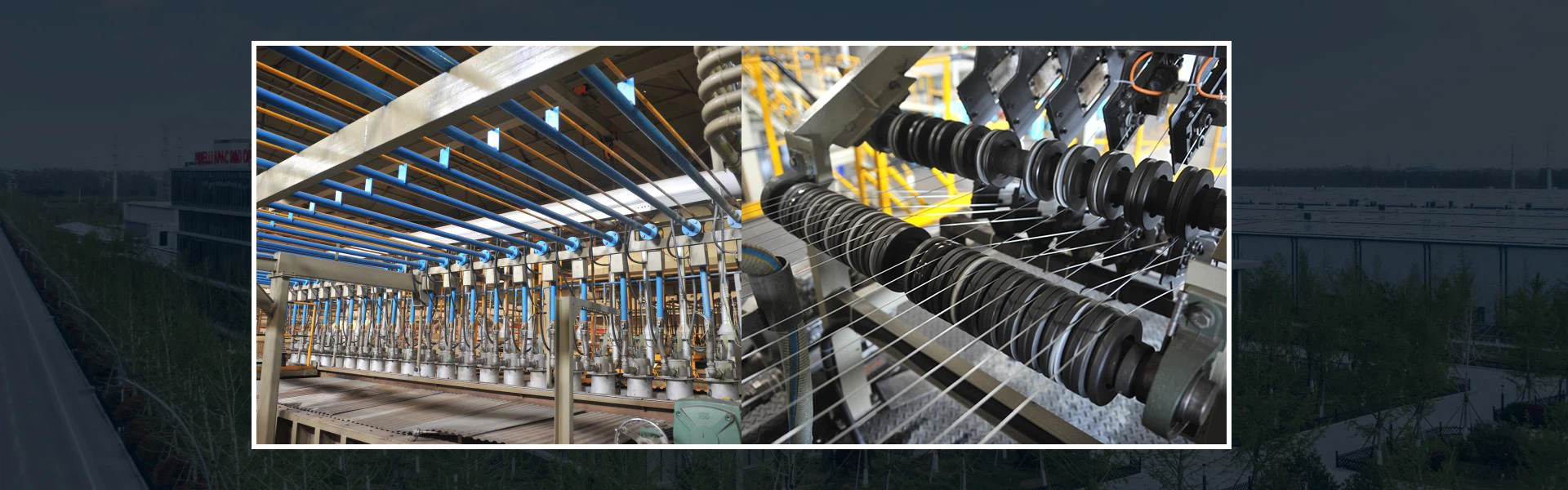
As an important lifting, traction, and load-bearing component, steel wire rope plays an irreplaceable role in various fields such as construction, bridge construction, mining, fisheries, and transportation. Its strength, toughness, and durability largely depend on an important step in its manufacturing process - twisting. The twisting method of steel wire rope is directly related to its structural characteristics and performance, and common twisting methods mainly include the following:
1. Interactive twisting (also known as right interactive twisting or left interactive twisting)
Interactive twisting is one of the most common twisting methods for steel wire ropes, which consists of several strands of steel wire wound together in opposite directions. Specifically, if the outer steel wire is wound in a right-handed direction, the inner layer strands are arranged in a left-handed direction, and vice versa. This twisting method makes the rope have good flexibility, balance, and anti torsion ability, suitable for most general occasions, such as crane hooks, elevator traction ropes, etc.
2. Same direction twist (also known as parallel twist or thread contact twist)
Each strand of wire rope is twisted in the same direction, but adjacent strands are twisted in opposite directions. This structure creates a state of line contact or close to line contact between the steel wires, improving the compressive and parallel bearing capacity of the rope. It is suitable for situations that require high load stability, such as large-scale lifting operations, overhead cableways, etc. Co twisted steel wire ropes are usually harder and have stronger wear resistance than cross twisted ropes.
3. Mixed twist (composite twist or sealed twist)
The mixed twisting method combines the characteristics of interactive twisting and co directional twisting, and through specific arrangement and combination, makes the internal structure of the steel wire rope more complex to achieve specific mechanical performance requirements. For example, some mixed twisted steel wire ropes use interactive twisting on the outer layer, while the internal strands are twisted in the same direction. This design not only maintains good flexibility, but also improves load-bearing capacity and wear resistance, which is common in fields such as marine engineering and oil drilling.
4. Dense filling and twisting
Dense filling twist, also known as filling twist method, refers to adding additional filling material (such as fiber rope or fine steel wire) to the strands of a steel wire rope to reduce the gap between the strands, increase the tightness and stability of the rope. This method can effectively improve the anti extrusion ability of steel wire ropes, reduce wear, and is particularly suitable for applications where lifting heavy objects requires passing through narrow spaces or curved tracks.
Steel wire ropes with different twisting methods have their own advantages, and the selection of the appropriate twisting method needs to be determined based on specific application needs. The correct twisting method can not only improve the work efficiency and service life of steel wire ropes, but also ensure work safety. With the advancement of materials science and manufacturing technology, the twisting technology of steel wire ropes is also constantly evolving to meet the growing performance requirements and special needs of emerging fields.


